
Relaxation Is Only Part of the Story
Most people leave a spa treatment feeling lighter, calmer, and more present.
They often describe the experience as relaxing.
But relaxation is only part of what’s happening.
Beneath the surface, many spa treatments are helping the body do something far more important: regulate the nervous system.
In today’s world, stress has become so common that many people assume tension, overstimulation, poor recovery, and mental fatigue are simply normal parts of life.
They may be common, but they are not necessarily normal.
The body was designed to move between periods of activation and recovery.
When that rhythm is disrupted, the effects begin to show up physically, mentally, and emotionally.
This is why practices such as massage therapy, hydrotherapy, bodywork, and restorative wellness treatments can feel so transformative.
They help the body remember how to recover.
Understanding the Nervous System
The nervous system is constantly collecting information and deciding how the body should respond.
At a simplified level, two branches are particularly important:
Sympathetic Nervous System
Often referred to as the “fight-or-flight” response.
This system prepares the body for action.
Heart rate increases.
Muscles become more activated.
Stress hormones are released.
Attention narrows toward perceived challenges.
This response is essential for survival.
The problem arises when the body remains in this state for extended periods.
Parasympathetic Nervous System
Often called the “rest-and-digest” response.
This is where recovery occurs.
Heart rate slows.
Breathing deepens.
Digestion improves.
Muscles release tension.
The body shifts toward repair and restoration.
Many people spend far less time in this state than they realize.
Why Modern Life Keeps Us Activated
The nervous system does not distinguish perfectly between physical danger and modern stressors, Deadlines, Constant notifications, Information overload, Long work hours, Poor sleep, Emotional stress.
The body often interprets these experiences as signals requiring ongoing vigilance.
As a result, many people remain stuck in a low-level state of activation throughout the day.
Over time this can contribute to:
• chronic muscle tension
• disrupted sleep
• increased stress sensitivity
• difficulty focusing
• reduced recovery capacity
• persistent fatigue
The body begins carrying stress not only mentally but physically.
The Therapeutic Power of Touch
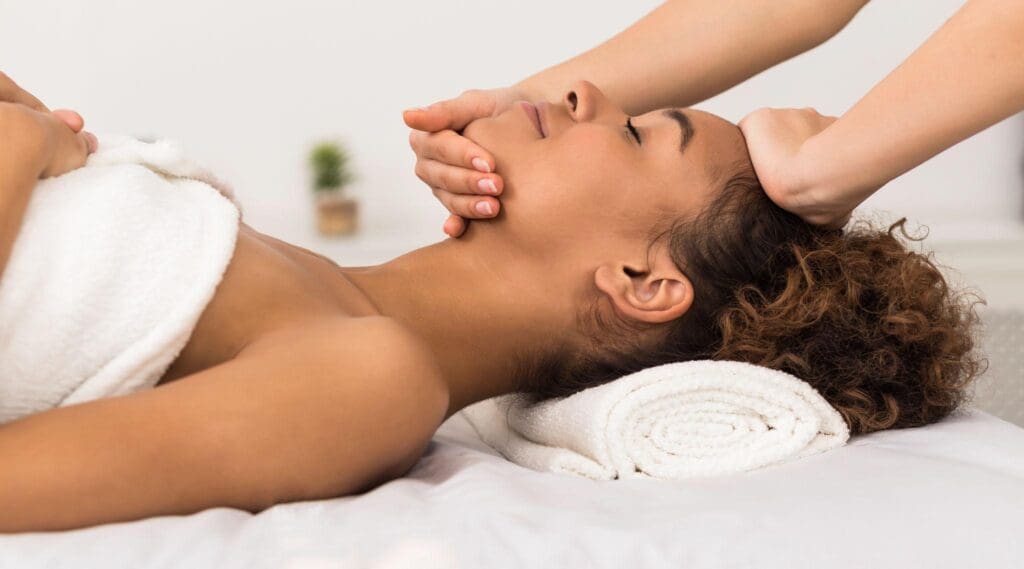
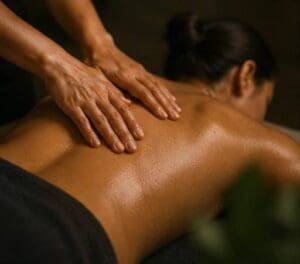
One reason massage and bodywork have remained valued across cultures for centuries is because touch itself carries therapeutic significance.
When applied skillfully, touch communicates safety to the nervous system.
The body begins receiving signals that it can release unnecessary guarding and tension.
Muscles soften, Breathing slows, Awareness expands, The mind often becomes quieter.
This is not merely psychological.
It is physiological.
The nervous system is responding to an environment that supports recovery.
Why Heat, Water, and Spa Rituals Feel So Effective
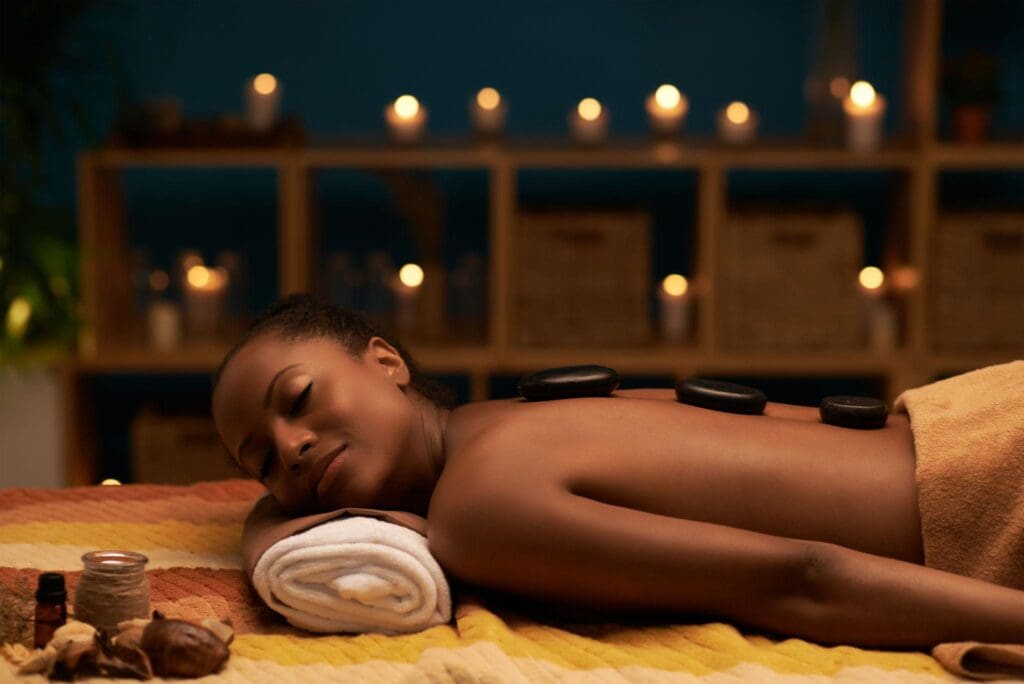
Many spa treatments combine multiple elements that support regulation.
Heat helps encourage circulation and muscle relaxation.
Water therapies create sensory experiences that can reduce physical and mental tension.
Aromatherapy engages the senses and can influence emotional state.
Quiet environments reduce incoming stimulation.
Together, these elements create conditions that encourage the body to shift out of constant activation.
This is why people often leave a spa feeling renewed rather than simply relaxed.
Recovery is occurring.
Bringing Regulation Into Everyday Life
The benefits of nervous system regulation do not have to be limited to occasional spa visits.
Small daily practices can support the same principles.
Examples include:
• mindful movement
• breathwork
• stretching
• restorative practices
• quality sleep habits
• intentional recovery rituals
Consistency matters more than intensity.
The body responds to regular signals of safety and restoration.
While professional treatments may provide the most immersive recovery experience, many of the same principles can be incorporated into daily wellness rituals at home.
Simple practices such as mindful movement, breathwork, restorative stretching, heat therapy, and intentional self-care routines can help create moments of regulation throughout the week.
This is where thoughtfully formulated topicals can become a meaningful part of the recovery process.
Where Topicals Fit Into Recovery
Many of the same principles that make spa treatments effective are why premium topical formulations have become increasingly popular among massage therapists, chiropractors, physical therapists, sports medicine professionals, recovery practitioners, healthcare professionals, and boutique spa environments.
When incorporated into bodywork and self-care rituals, they help extend the experience of intentional recovery beyond the treatment room and into everyday life.
Whether used during massage, after physical activity, or as part of an evening recovery routine, topicals can encourage moments of body awareness and restoration.
The simple act of slowing down, applying a therapeutic topical, and bringing attention back to the body creates an opportunity to support recovery more intentionally.
For many wellness practitioners, the value is not just in the formulation itself, but in the ritual it helps create.
The experience becomes more than product application.
It becomes a practice of restoration.
A Perspective From Practice
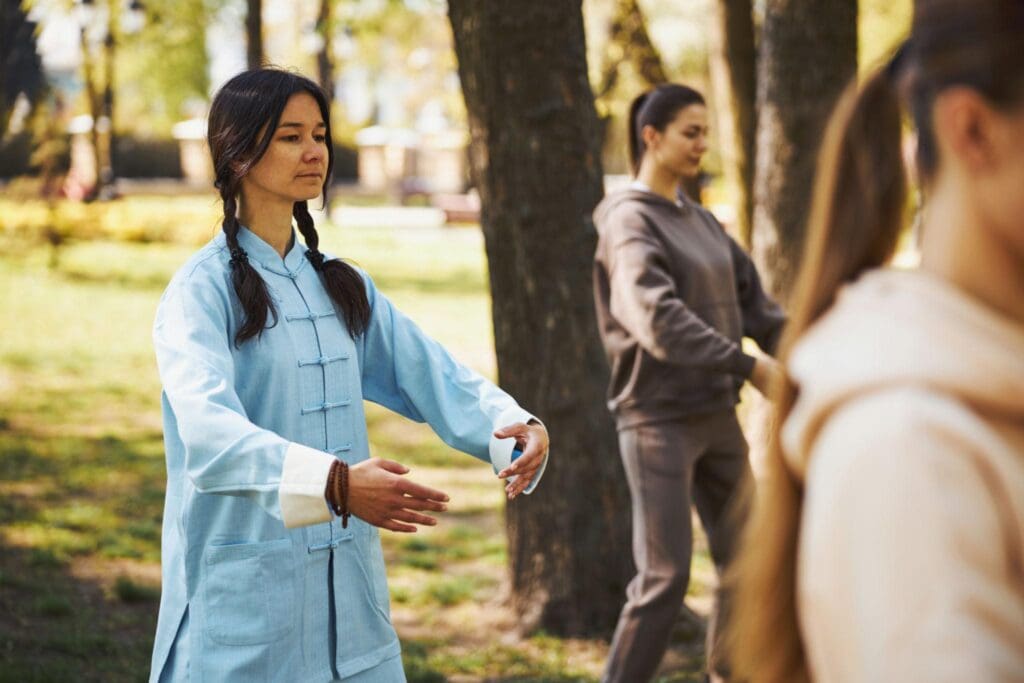
As a UCLA Qigong instructor and lifelong practitioner of nervous system training, I’ve seen firsthand how intentional recovery practices can profoundly influence physical, mental, and emotional wellbeing.
Many people spend tremendous energy learning how to push harder, perform better, and stay productive.
Far fewer learn how to recover effectively.
Yet recovery is where regulation is restored, resilience is built, and the body’s natural healing processes are supported.
The body is designed to heal.
But it must first feel safe enough to do so.
Whether through bodywork, movement practices, breathwork, restorative rituals, or simply creating moments of stillness, the principles remain the same: recovery is not a luxury. It is a biological necessity.
This philosophy continues to shape how we think about wellness at Urth Remedies.
Final Thoughts
Wellness is often framed as something we need to add to our lives.
In reality, many people need something different.
They need opportunities to slow down.
To recover.
To reconnect with the body’s natural rhythms.
Spa treatments work because they create those opportunities.
They help shift the nervous system from constant activation toward restoration.
And that shift affects everything. Sleep, Recovery, Focus, Resilience, Balance.
The body functions best when it knows how to move between effort and restoration.
Sometimes the most powerful wellness practice is simply creating space for that process to happen.